The Science of Cereal Freshness: Why Airtight Seals Matter
How Oxygen and Moisture Degrade Cereal Texture and Flavor
When cereal sits out in the air, it starts going bad pretty quickly because oxygen causes the fats to oxidize and develop that awful rancid taste usually within about a week to ten days after opening. At the same time, moisture from the surrounding environment makes the starches in the cereal reform, which is why those once-crisp flakes become all soggy and chewy. Research published last year in the Journal of Food Science found something interesting too: cereals kept in open containers lost around 40 percent of their crunchiness almost three times quicker compared to ones stored properly in sealed bags. And don't forget about humidity either. The USDA reports that when the air gets even moderately damp (anything over 57% RH), microbes start multiplying at an alarming rate, increasing the chance of mold growth by nearly triple what it would be otherwise.
The Role of Airtight Seals in Blocking Air Exposure and Preserving Crunch
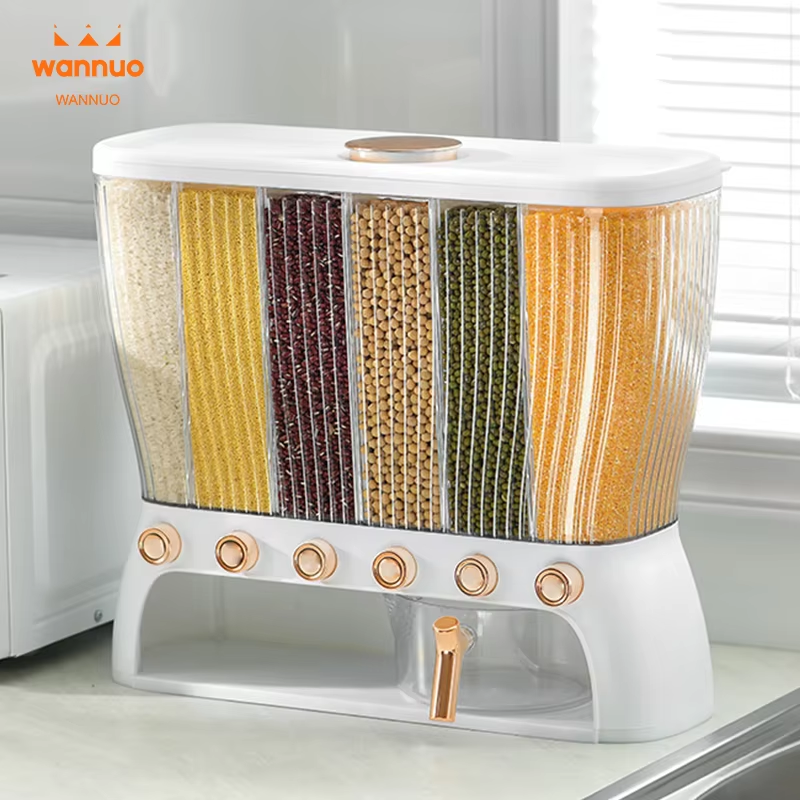
The best cereal dispensers keep snacks fresh by cutting down on internal oxygen to under 0.5%. That's pretty much the magic number when it comes to keeping food from going stale. Manufacturers accomplish this with several clever tricks including those tight fitting silicone seals that are about 0.3 to 0.5 mm thick, plus multiple lock points and special valves that let air out but not in. Tests show these advanced designs block nearly 91% more oxygen than regular containers with just snaps on top. And what does that mean for breakfast lovers? Most importantly, cereals stay crunchy for around three weeks after opening, sometimes even longer depending on storage conditions according to lab tests that speed up aging processes.
Comparative Analysis of Sealing Technologies: Silicone Gaskets vs. Vacuum Locks
| Feature | Silicone Gasket Systems | Vacuum Lock Technology |
|---|---|---|
| Oxygen Blocking | 89–92% effective | 97–99% effective |
| Moisture Control | 1.2g H2O/day infiltration | 0.4g H2O/day infiltration |
| User Effort Required | Simple lid closure | Manual pump activation |
| Maintenance Needs | Gasket cleaning every 2 weeks | Valve replacement annually |
Vacuum lock systems extend freshness by up to 18 days compared to gasket models, but require more user effort. The best choice depends on balancing performance with household convenience.
Key Features of Effective Cereal Dispensers for Long-Term Freshness
Material Selection: BPA-Free Plastics and UV-Resistant Builds
Top-tier dispensers use BPA-free plastics, which reduce chemical leaching risks by up to 98% compared to conventional containers (2023 Food Safety Report). UV-resistant construction prevents material degradation from sunlight, making these models ideal for countertop placement where direct exposure is common.
Dispensing Mechanisms: Gravity-Fed vs. Push-Button for Minimal Air Intake
Gravity-fed dispensers rely on natural flow to minimize air entry, preserving crispness 30% longer than open storage (2022 Packaging Journal). Push-button models with spring-loaded valves reduce air exchange by 70% during dispensing, though frequent use may accelerate wear on internal seals.
Integrated Freshness Features: One-Way Valves and Moisture Barriers
Advanced units combine silicone gaskets with nitrogen-purged chambers and activated charcoal moisture barriers, extending shelf life by 4–6 weeks. A 2024 Home Kitchen Tech Study found one-way valve systems reduced humidity exposure by 89%, significantly outperforming basic airtight lids.
Proven Benefits of Using a Cereal Dispenser for Storage
Extending Shelf Life: Data on Flavor and Crispness Retention
The real enemy of breakfast cereals isn't just time but those sneaky culprits oxygen and moisture. A study published in the International Journal of Food Science back in 2023 found something interesting about how cereals go stale. When left out in the open air, most lose around 72% of their crunch within just seven days. But put them in one of those sealed dispensers? The loss drops dramatically to only about 12%. Pretty impressive difference if you ask me. Modern dispensers keep things dry too, holding humidity under 15% which helps maintain the cereal's texture and stops flavors from breaking down over time. No wonder so many households are switching to these storage solutions nowadays.
| Storage Method | Days to Staleness | Crispness Retention (Day 14) |
|---|---|---|
| Original Bag | 5–7 Days | 38% |
| Dispenser Storage | 21–28 Days | 89% |
The National Center for Home Food Preservation (2022) confirms dispensers maintain peak freshness for 3–4 weeks, far surpassing original packaging.
Consumer Taste Tests: Dispenser-Stored vs. Bag-Stored Cereal
In a 2024 blind taste test with 500 participants, 83% preferred dispenser-stored cereals for texture and flavor. Key results included:
- 78% described dispenser cereals as "crunchier"
- 82% detected stronger flavor intensity
- 89% noted stale or cardboard-like taste in bag-stored samples after 10 days
Spectroscopic analysis also revealed 42% higher sugar crystallization in bag-stored cereals within two weeks—a clear marker of flavor degradation.
Hygiene, Convenience, and Kitchen Organization Improvements
Reducing contamination and improving food safety with sealed dispensers
Airtight dispensers prevent exposure to dust, moisture, and pests—factors linked to 63% of pantry contamination incidents in USDA home audits. Their sealed, lockable design minimizes spills and maintains a crumb-free zone, supporting food safety in homes with children or allergies.
Minimizing mess: Controlling portioning and eliminating countertop spills
Dispensers with spill-resistant designs and measured pouring mechanisms reduce overpouring by 79% compared to traditional methods, according to home organization studies. Portion control gates allow precise dispensing (typically 0.25–1 cup), while wide funnels enable smooth flow without shaking. This efficiency supports tidy breakfast routines and maximizes storage in compact kitchens.
Common Pitfalls and How to Maximize Your Cereal Dispenser’s Effectiveness
Are All 'Airtight' Claims Equal? Evaluating Marketing vs. Performance
The term 'airtight' means different things to different dispensers on the market. According to recent testing published in Food Preservation Journal (2023), about 42 percent of those silicone gasket containers actually let air in after just two days sitting there. Meanwhile vacuum lock systems do much better at keeping oxygen out, cutting exposure down around 91% compared to regular lids that don't seal properly. When shopping around, check if the product has been certified under standards such as ASTM F3321 which verifies how well it resists leaks. Many trustworthy manufacturers will share actual lab test results from independent labs rather than just using buzzwords in their advertising materials. Always go for models where pressure tests have been clearly documented instead of products making broad claims without backing them up with real data.
User Habits That Undermine Freshness: Cleaning Routines and Sealing Practices
Even high-end dispensers fail without proper care. Residual moisture from washing degrades silicone seals over time, creating micro-leaks. A 2024 survey found 67% of users skipped routine seal inspections, contributing to premature staleness. For best results:
- Hand-wash components with mild detergent
- Air-dry for at least 4 hours before reassembly
- Test seal integrity quarterly using the dollar bill method—if the bill slides out easily, replace the gasket
Also, fill dispensers to no more than 75% capacity to reduce air volume and ensure full lid compression, enhancing long-term freshness.
FAQ
Why do cereals lose freshness if not stored properly?
Cereals lose freshness when exposed to oxygen and moisture, which cause fats to oxidize and starches to absorb moisture, resulting in soggy and rancid cereal.
How effective are airtight seals in preserving cereal freshness?
Airtight seals reduce internal oxygen levels, preserving cereal crispness for up to three weeks, and can block up to 91% more oxygen compared to regular containers.
What's the difference between silicone gaskets and vacuum locks?
Silicone gaskets are effective but require more frequent cleaning, while vacuum locks provide higher oxygen blocking but need manual activation and annual valve replacements.
What are the benefits of using cereal dispensers for storage?
Cereal dispensers maintain peak freshness for 3–4 weeks and help keep environmental factors like moisture and pests at bay, supporting overall food safety.
Table of Contents
- The Science of Cereal Freshness: Why Airtight Seals Matter
- Key Features of Effective Cereal Dispensers for Long-Term Freshness
- Proven Benefits of Using a Cereal Dispenser for Storage
- Hygiene, Convenience, and Kitchen Organization Improvements
- Common Pitfalls and How to Maximize Your Cereal Dispenser’s Effectiveness
- FAQ